Asia Society announces Philippines 21 Class of 2010

Young leaders from business, civil society and government are among the changemakers selected for the Philippines 21 Class of 2010. A flagship program of Asia Society-Philippines, the Philippines 21 Young Leaders Initiative aims to develop a nationwide, multi-sectoral network of changemakers to meet, educate and inspire each other; collaborate and share ideas on public service and other meaningful initiatives, and build relationships of trust and understanding.

The new Fellows are: Regina Irene Gaza (Business-Fair Trade), Therese Clarence Fernandez (Business-Social Enterprise), Maria Concepcion Hernandez (Government), Bryan Albert Lim (Health), John Piermont Montilla (Non-profit/Civil Society), Jed Christian Sayre (Government), Jason Roy Sibug (Non-profit/Civil Society), Cecilia Clare Reyes (Government), Erika Tatad (Business-Social Enterprise), and Mark Anthony Yu (Business).

The Fellows convened in a 2-day Forum on August 26-27 at the AIM Conference Center. Organized with the support of Metro Pacific Investments Corporation and Philamlife Insurance, the forum provides a venue for discussing issues of national and regional importance, with the ultimate goal of developing projects that address these concerns. Among the speakers invited to share their insight with the Fellows were 2010 Ramon Magsaysay awardee Mayor Tadatoshi Akiba of Hiroshima, and Asia Society Philippines trustee Dr. Carolina Hernandez, chair of the Institute of Strategic and Development Studies.

Philippines 21 Fellows serve as the country’s official delegation to the annual Asia 21 Young Leaders Summit, a regional leadership conference organized annually by Asia Society New York. This year’s Summit is slated for December in Jakarta, Indonesia.

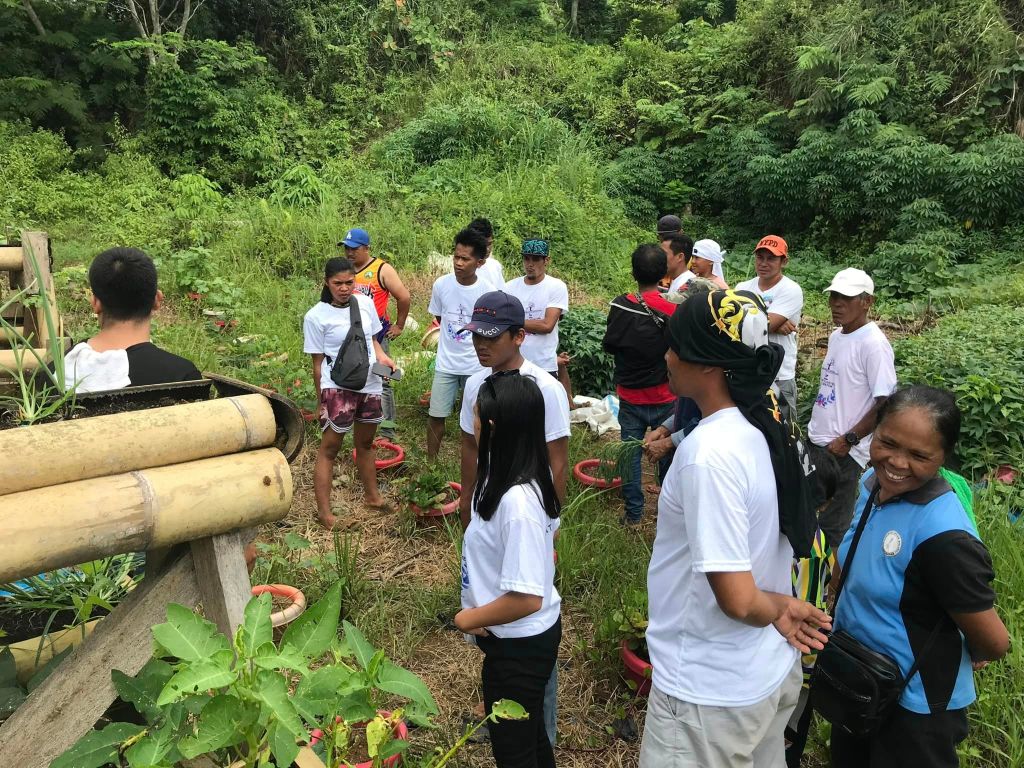
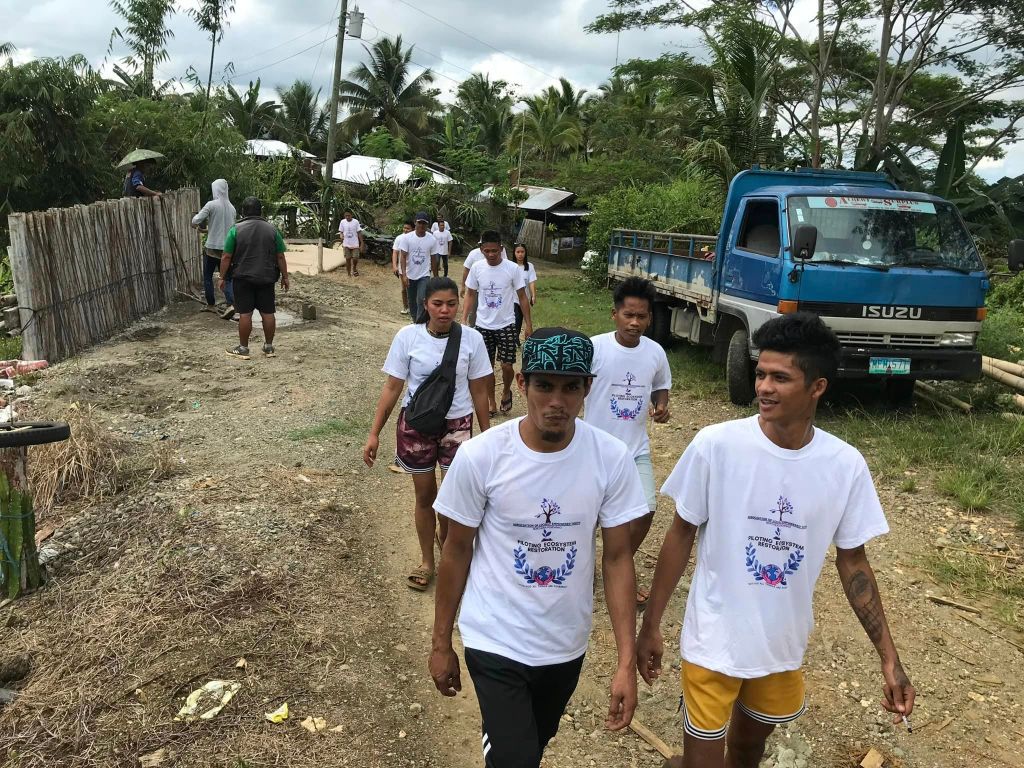
Piloting Ecosystem Restoration by and for Higaonon Youth Associations in West Misamis Oriental

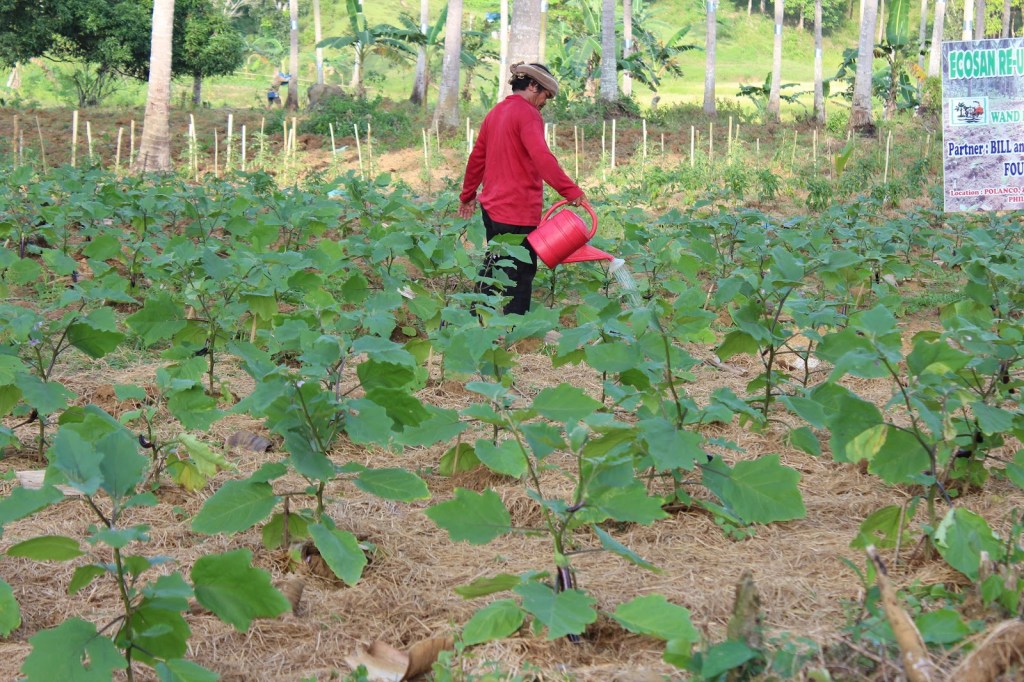
The project focuses on building the capacity of 3 Higaonon youth association to regenerate their land and improve their livelihoods.

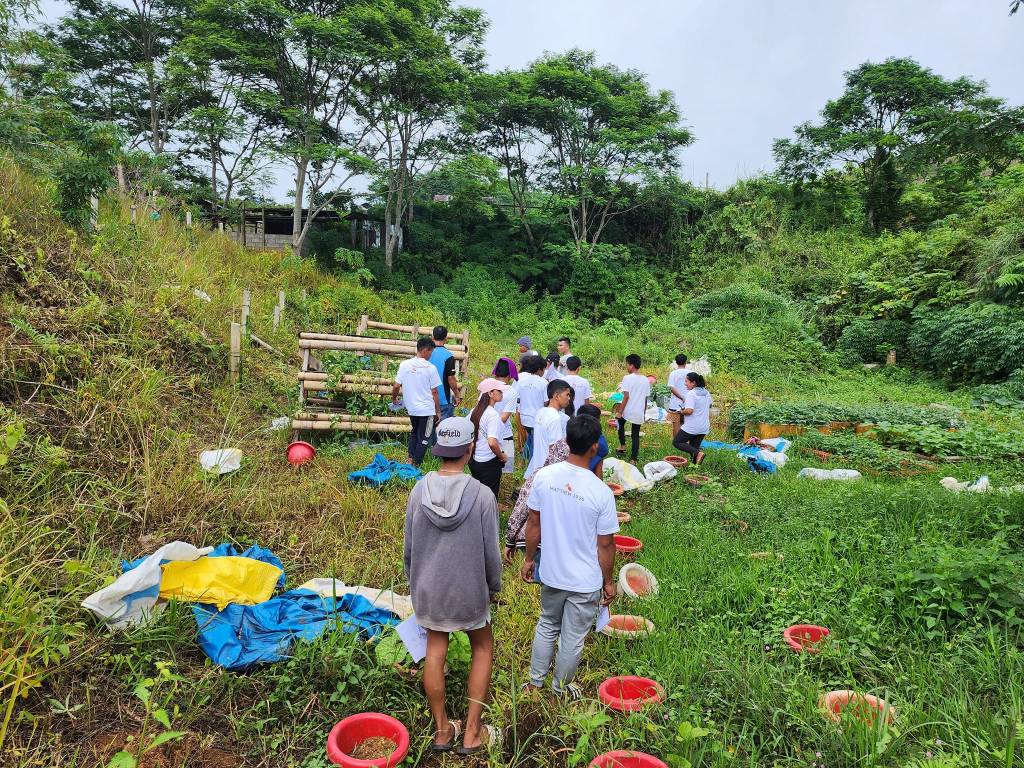
We do this by developing their capacities in the implementation of permaculture and providing farming inputs like vegetable seeds, tree seedlings and organic fertilizer.

ALEY-NM volunteers provide regular field visits and technical assistance to participating young farmers.

ALEY-NM in Nepal

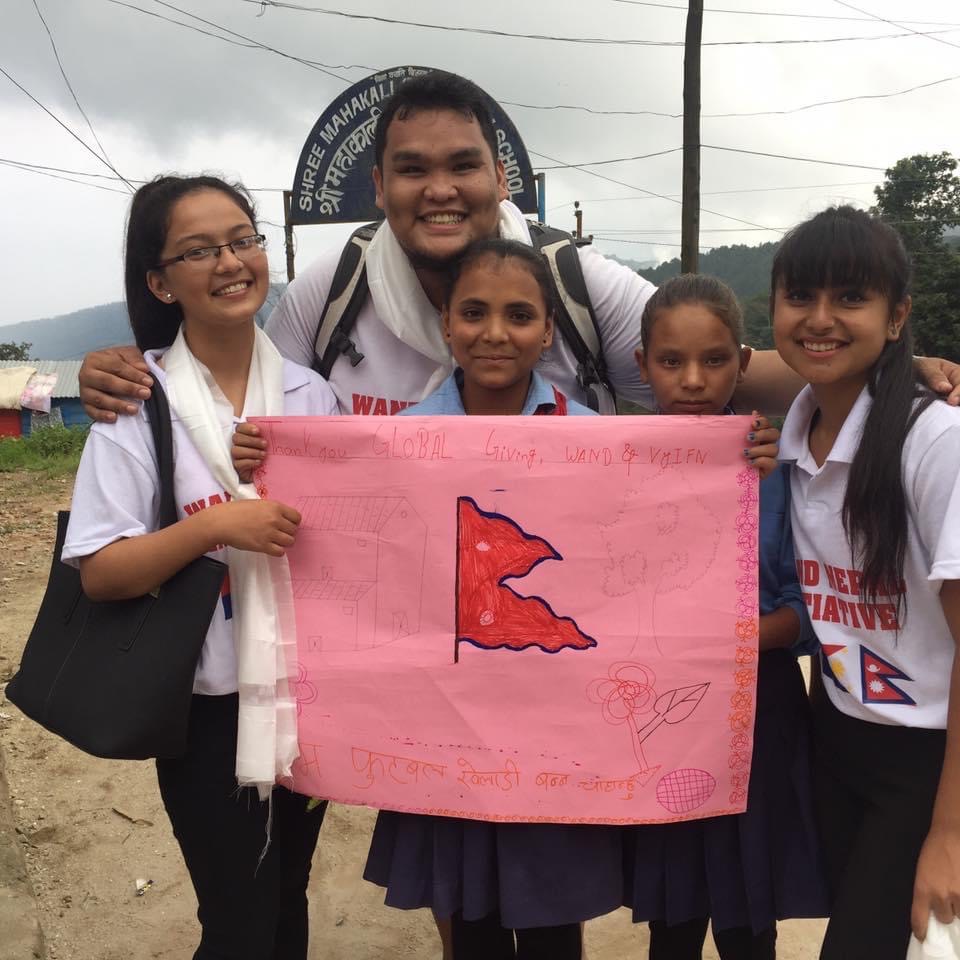
After the 2015 earthquake in Nepal, the ALEY-NM together with WAND launched a relief effort in order to address some of the problems in the country.

Leading the effort was our Executive Director Jed Christian Zayas Sayre who managed to partner with a Nepal Youth Organization, the Visionary Youth Initiative Foundation Nepal headed by Aakash Jung Karki together with his sister Manila Karki. We also partnered with a local clinic owned by Doctors Anil and Sharon Shakya who conducts relief efforts in their area.

“The youth if given the chance can change the world.”

—Ricardo Amador

Together with VYIFN, the ALEY-NM was able to conduct backyard gardening trainings to address food security, distribute health and food packs, provide scholarship grants to select students and build toilets. From Kathmandu, Bhaktapur and as far as Sindupalchok which was one of the hardest hit by the earthquake.

URINE AS FERTILIZER

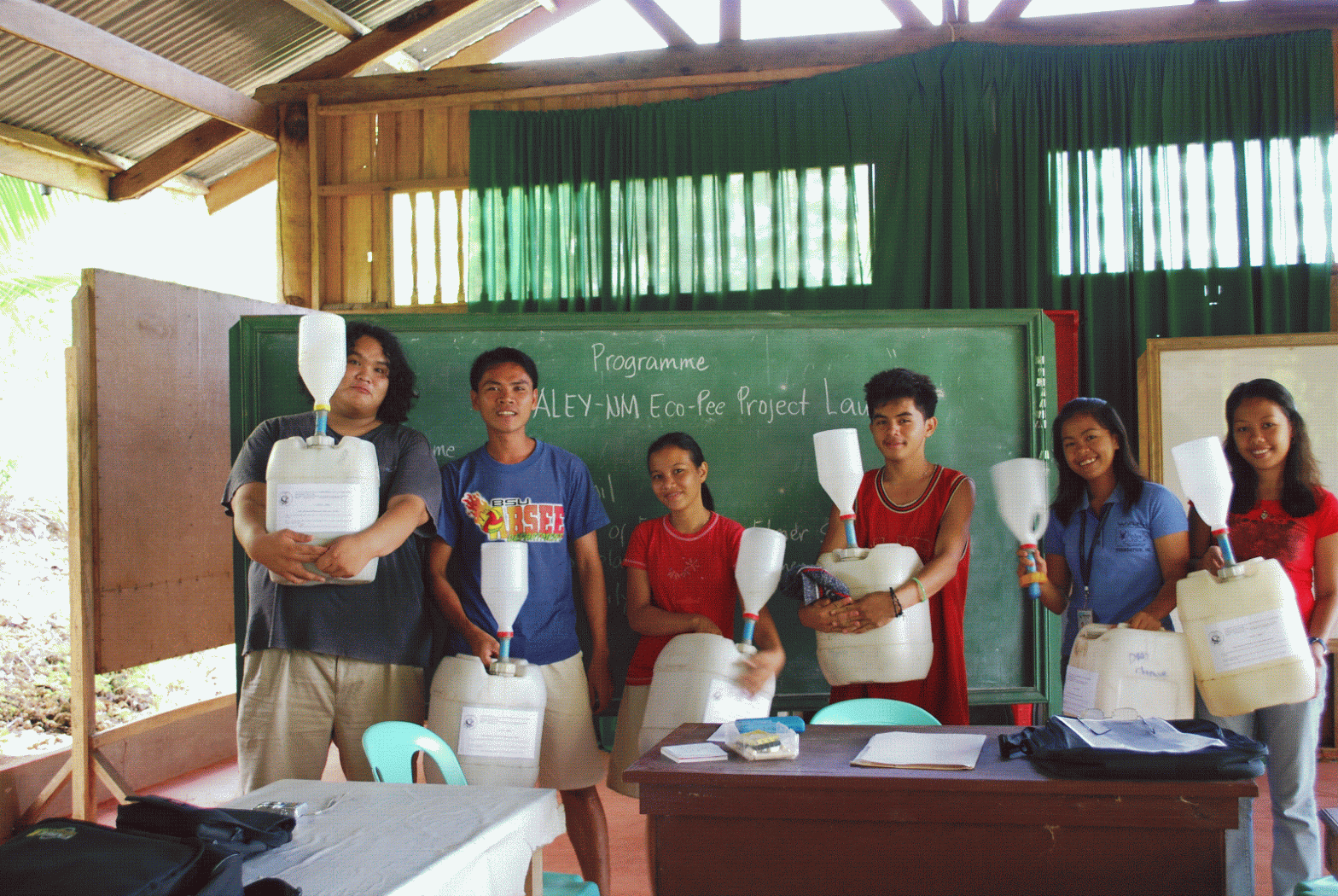
May I introduce our initiative which is “Eco-Pee, Rain and Grey-water Conservation and Vegetable Gardening Initiative”.  The concept is simple and includes the collection of urine and using it as fertilizer, promoting vegetable gardening among youth members and their families and rain and grey water conservation with water to be used in the vegetable gardens.  The project gets its cue from cases around the world on the usefulness of urine as fertilizer and the fact that commercial fertilizer nowadays is very expensive with urea (45-0-0) at more than 2,000 pesos per sack. The WAND Foundation (www.wandphils.org) provides guidance and advice as well as small fund support for the implementation of the project.  Technical advice is also provided by Robert Gensch, ecosan expert based in Xavier University

.  The sustainable sanitation website (www.susana.org) is one of our useful references.

At present we have distributed 120 Eco-Pees’ to 3 elementary schools and local farmers and 75 rainwater collectors mainly to local farmers.  The local farmers are youths who have stopped schooling and engaging in farming activities.  Our target for this year is to distribute a total of 1,000 Eco-Pees’ and 500 rainwater collectors and to enlist 300 youth-farmers to engage in vegetable gardening.  With the upcoming local elections, we will try to engage political wannabes to support us, and with their pictures pasted in our Eco-Pees’.  Our Eco-Pees’ are made from 20 liter-recycled containers with an inverted 2-liter container glued at to top.  The rainwater collectors are recycled 200-liter drums.  One Eco-Pee costs 65 pesos while a rainwater collector costs 390 pesos.  We plan to scrounge local households and commercial centers in Cagayan de Oro and Iligan City and ask donation of empty containers and drums for this project so that our cost can be reduced further. 

Our plan by October 2009 is to start selling urine as liquid fertilizer, following the experience of Linus Dagerskog (linusdagerskog@yahoo.fr) in Burkina Faso, albeit ours will be on a limited scale.  Our main target market will be small-scale vegetable garden and flower garden enthusiasts.  We will do this by installing Eco-Pees’ in public places such as chapels, market and barrio centers and collecting the urine then place it in mineral water recycled plastic bottles, label and sell it. The income we will use to fund our operation and send some of our members to school.  Our preliminary analysis shows that we will get 200 percent return of investment (ROI) with this project.

LIVING MUSEUMS

ALEY-NM Living Museum Initiative

Our organization the Association of Locally-Empowered Youth in Northern Mindanao (ALEY-NM) support the youth in developing poor, marginal, upland communities with the main aim of empowering local youth members so that they take care of the environment at the same time earn from the low external input sustainable farming ventures. Our goal is to stem rural brain and manpower drain and to make the youth active promoters in rural development.

The practices that we will be imparting include the following;

a) Use of high-quality seeds and planting materials in tree planting resulting to high quality and production of trees with good genetic quality. 

b)  Improvement of knowledge in the control of pest and diseases in the nursery resulting to good quality seedlings. 

c)  Proper management of the seedling nurseries and field crops.  

d) Proper field planting techniques (spacing, holing, fertilizing, pest and disease control).

e)  Increased appreciation of the economics of tree planting and the management of fruit and timber trees. 

f)  Promoting low external input sustainable agriculture (LEISA) technologies such as using human waste as fertilizer, vermi-composting, contour farming, among others. 

Activities:

a.  Building of a modest bamboo and nipa training/ biodiversity center and office.

b. Nursery development and the planting of high-valued fruit trees.

c.  Training on ecology, leadership and biodiversity for local youths.  

d. Packaging at least two herbal remedies/nutritional supplements from local plants.

e.  Marketing our seedlings and scaling-up our efforts to include other organizations. 

f.  Operating the biodiversity center that is able to cater to training and study requests, sell seedlings and use the funds to raise more seedlings. 

Areas for Implementation:

Youth Livelihood and Training Center

 – Gimaylan, Libertad, Misamis Oriental

Youth-led model farms  – Tagpaco, Initao, Misamis Oriental and  Digkilaan, Manticao, Misamis Oriental

Project Management:

The project will be managed by the association’s staff with support from local experts and advisers.

“Service to humanity is the best work of all.”

Health and Nutrition of Children and Youth Initiative

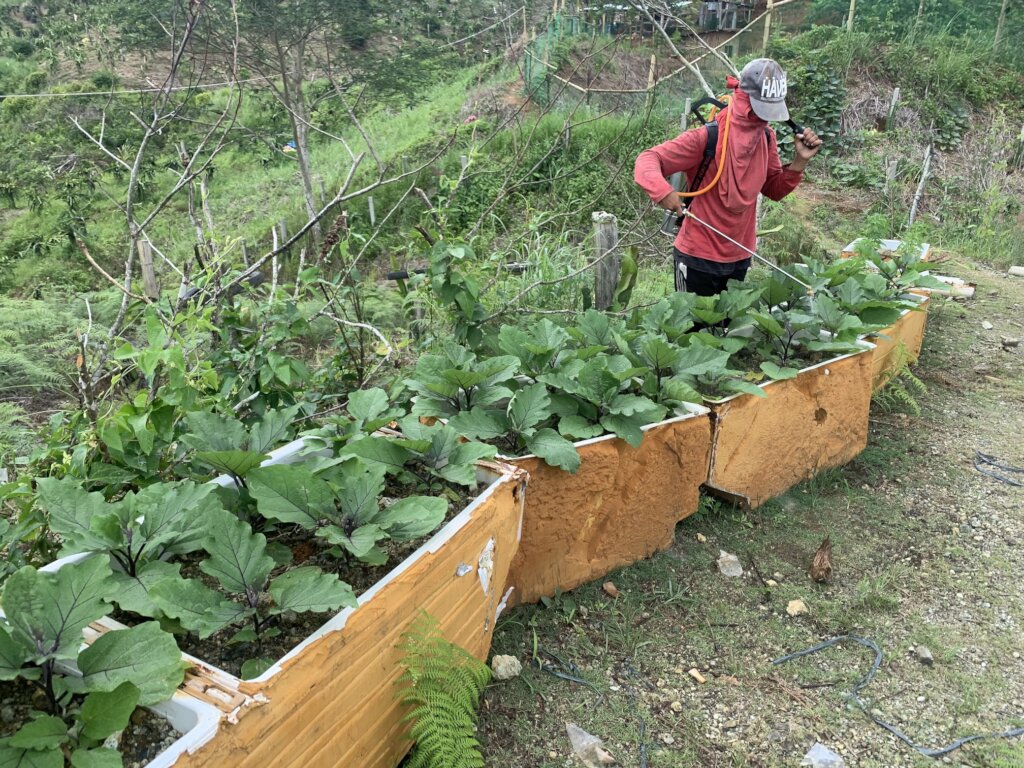
In our work, we found out that the growing of vegetables is one of the best way wherein the health and nutrition of children and their families are boosted. This is because vegetables are easy to grow, there is also the availability of organic manure that families can use in order to fertilize their crops. This reporting period we focus our support to the provision of vegetable seeds and organic fertilizer to interested families prioritizing those with malnourished children. We were able to provide inputs and technical assistance to 170 families and we hope to increase the number as we approach the holiday season and we hope that more donors would give.

Youth Regenerative Agriculture

Training and engaging the youth to undertake permaculture or regenerative agriculture. The farming population is aging and the youth is not encouraged to engage in farming finding it not attractive financially. They opt to find work in the cities and with their skills not fitted for jobs in the cities, they end up more destitute. Our aim is to infuse to the youth the passion for farming by showing them success in the industry and providing them with starter inputs so that they are able to start smoothly. This reporting period we are producing vegetable seeds that young farmers will be able to use in their own farms as we found out that access to good quality seeds is becoming scarce and limitied. Hoping for your continuing support.

Importance of Nature

We will provide fruit and timber tree seedlings of Philippine high-valued and most important fruit and timber trees to poor farmers in order to improve biodiversity and combat climate change. We will also provide technical assistance and training as well as organize them so that they will be able to secure good markets for their produce.

For full details of this project, please see, https://www.globalgiving.org/projects/fruit-and-timber-tree-seedlings-for-biodiversity/